Community Connection Across Generations
By Faria Tavacoli
Building Inclusive Support for People with the Disability Community
Based disability support is about more than meeting individual needs. It is about creating belonging. Across every generation, meaningful relationships and social opportunities make a big difference in the lives of people with disabilities. Community connection is essential for improving quality of life, independence, and overall well-being. A sense of belonging and feeling integrated in one’s community can determine health, happiness, and life satisfaction for people living with disabilities. This web page explores how community connection enhances life at every age and highlights the ways inclusive support systems can strengthen connection and dignity.
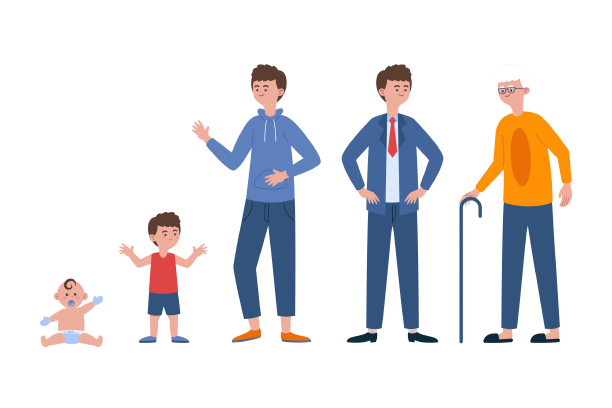
Early Childhood → Building the Foundations of Inclusion
For children with disabilities, the early years are critical for building social confidence and communication skills. When children have access to inclusive playgroups, early education programs, and adaptive activities, they learn that difference is normal and that belonging is possible. Barriers often appear when play spaces, classrooms, or communication tools are not designed for all abilities. A child may feel left out when they cannot join group activities or when learning materials are not accessible.
Key Interventions for Early Childhood
- Inclusive early learning programs that integrate assistive technology, adaptive materials, and sensory-friendly environments
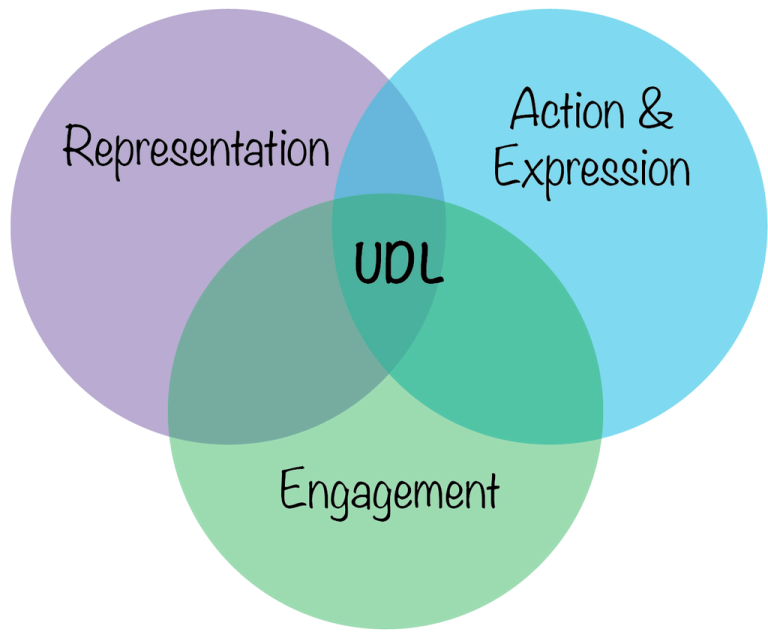
- Use Universal Design for Learning (UDL), which is a flexible teaching methods that work for different learning styles and abilities
- Parent and caregiver workshops on inclusive play and communication
- Peer mentorship programs that connect children with and without disabilities through shared play
- Accessible community centers that provide early socialization and family support
Adolescence and Adulthood → Strengthening Independence Through Community
As people grow, social participation and community engagement become key pathways to independence. For adolescents and adults with disabilities, access to transportation, technology, education, and employment determines how fully they can take part in community life. Barriers like inaccessible environments/stigma or a lack of supportive programs can make isolation more likely (maybe add a statistic). Community connection empowers people to live independently and confidently.
Interventions that Promote Independence and Connection
- Transportation and mobility training to support safe, independent travel
- Digital literacy workshops and access to assistive technology
- Inclusive job readiness programs, mentorship, and career counseling (:
- Accessible recreational and volunteer opportunities that promote social inclusion
- Support (or even create) groups and peer networks that create safe spaces for sharing and belonging
Older Adulthood → Sustaining Dignity and Belonging
As people age, both physical and social barriers can impact their ability to stay connected. Accessibility challenges, limited transportation, and social isolation can increase loneliness and affect health. Maintaining community ties becomes essential for emotional and psychological well-being, especially as age provides newer issues to access that can intersect with previous disabilities.
Strategies for Older Adults with Disabilities
- Accessible community centers that offer inclusive fitness, art, and hobby groups
- Transportation services and ride programs for social or medical appointments
- Home modification and assistive technology programs that promote safety and independence
- Intergenerational programs that connect older adults with youth for companionship and shared learning
- Valuing interdependence and accessibility ensures that aging with a disability means staying active, supported, and respected.
The Role of Support Networks
Support networks such as families, caregivers, and disability professionals play a key role in helping people build and maintain community relationships. They assist in identifying opportunities, removing barriers, and encouraging participation.
Ways support networks strengthen connection:
- Collaborating with local organizations, schools, and recreation programs
- Encouraging participation in cultural and social events!!
- Providing transportation or personal support for group activities
- Promoting self-advocacy and decision-making skills
Actions that Strengthen Inclusion
- Listening to and learning from disabled voices
- Challenging assumptions and focusing on removing barriers, not people
- Supporting accessibility in education, employment, and recreation
- Using respectful and inclusive language → asking what supports are needed to feel safe
- Advocating for universal design and equitable public policies
- Practicing shared responsibility and mutual care
Conclusion
Community connection is a foundation of disability support that influences the social, emotional, and psychological well-being of people with disabilities. Across all generations, opportunities to connect and belong strengthen identity, resilience, and purpose. Building relationships, encouraging independence, and creating inclusive environments help people lead fulfilling and meaningful lives. By making accessibility and inclusion everyday practices, communities can become places where everyone feels valued, supported, and connected.